
يرجى ترك عنوان بريدك الإلكتروني، حتى نتمكن من التواصل معك في أقرب وقت ممكن.
مواد عالية القوة ومقاومة للتعب: ال سارية رافعة البناء يتم تصنيعها باستخدام الفولاذ الهيكلي عالي القوة أو سبائك الفولاذ المتخصصة التي تم اختيارها بعناية لتحمل دورات التحميل المتكررة دون فشل. تمتلك هذه المواد قوة إنتاجية عالية، وليونة ممتازة، وصلابة فائقة، مما يسمح لها بامتصاص الضغوط الناتجة عن تسارع قفص الرافعة، وتباطؤها، والحركات الديناميكية دون تكوين شقوق صغيرة أو كسور بمرور الوقت. تعمل العمليات المعدنية المتقدمة مثل اللف المتحكم فيه والتبريد والتلطيف على إنشاء بنية حبيبية موحدة تقلل من العيوب الداخلية وتركيزات الإجهاد. غالبًا ما يتم التحقق من صحة هذه الفولاذ من خلال اختبار الشد، وتحليل التعب، واختبارات مقاومة الصدمات لضمان السلامة الهيكلية على المدى الطويل في ظل التشغيل المستمر. يعد اختيار المواد المقاومة للتعب أمرًا بالغ الأهمية نظرًا لأن الصاري يتعرض لملايين دورات التحميل أثناء مشروع بناء نموذجي شاهق الارتفاع، ويؤثر اختيار المواد بشكل مباشر على فترات الصيانة وعمر الخدمة والسلامة التشغيلية الشاملة.
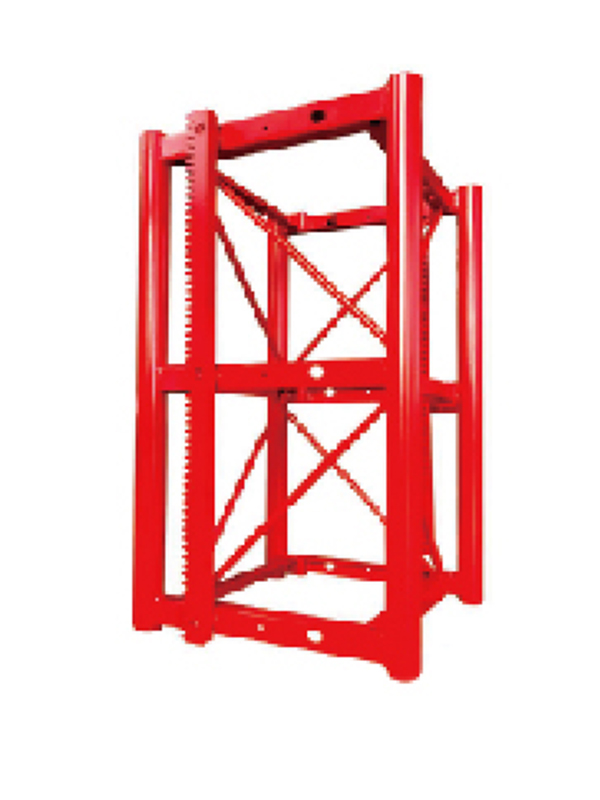
تحسين هندسة الصاري وتصميم القسم: ال structural geometry of the Construction Hoist Mast plays a key role in its ability to resist oscillations and lateral deflection. Mast sections are commonly designed with box, lattice, or tubular profiles, which maximize stiffness while minimizing weight. Reinforced corners, gussets, flange plates, and tapered section designs distribute stresses evenly along the height of the mast and enhance torsional rigidity. Finite Element Analysis (FEA) is routinely used to simulate the mast’s behavior under dynamic loads, wind forces, and repetitive hoist movements. By analyzing vibration modes and identifying resonance frequencies, engineers can selectively reinforce specific mast segments to reduce oscillations. Optimized geometry ensures that dynamic forces caused by moving cages, shifting loads, and environmental factors are absorbed and transmitted safely, preventing excessive bending, lateral sway, or material fatigue while maintaining smooth, precise cage operation across the entire vertical span.
المفاصل والوصلات المقواة: عادةً ما تحدث الأعطال المرتبطة بالتعب في سارية رافعة البناء عند المفاصل أو اللحامات أو الوصلات المثبتة بمسامير حيث تكون تركيزات الضغط أعلى. وللتخفيف من هذه المخاطر، يستخدم الساري حواف مثبتة بمسامير عالية القوة، وألواح مجمعة، وأسطح مترابطة دقيقة لتوزيع الأحمال بالتساوي وتقليل الحركة الدقيقة بين الأقسام. تم تصميم الوصلات الملحومة بعناية مع انتقالات سلسة وسمك حلقي مثالي لتجنب عوامل رفع الضغط التي قد تؤدي إلى حدوث تشققات بمرور الوقت. يضمن التصميم والتعزيز المناسب للمفاصل أن يعمل الساري كعمود متواصل، مما يحافظ على الصلابة في ظل الأحمال المتكررة والقوى الديناميكية. بالإضافة إلى ذلك، تم تصميم الوصلات الملحومة والمثبتة بمسامير لتسهيل التجميع مع الحفاظ على المحاذاة الدقيقة، مما يقلل من التذبذب وانتشار الاهتزاز على طول الساري. تعتبر هذه الوصلات المقواة ضرورية لكل من المتانة الهيكلية والتشغيل الآمن لنظام الرفع.
دليل محاذاة السكك الحديدية والتسامح: ال alignment and tolerance of guide rails on the Construction Hoist Mast are essential for vibration control and fatigue reduction. Misalignment can cause uneven load distribution, excessive lateral forces, and increased wear on the hoist cage and mast components. To prevent these issues, each section of the mast is installed with strict vertical and horizontal tolerances, verified using laser alignment tools, plumb measurements, and precision instrumentation. Correct alignment ensures smooth cage travel and reduces dynamic impacts that would otherwise transfer stress into the mast structure. By maintaining precise guide rail tolerances, vibrations and oscillations are minimized, which reduces material fatigue and prolongs the service life of both the mast and the hoist components. This attention to alignment is especially critical for high-rise operations, where small deviations can be amplified over the total height of the mast.
اعتبارات الحمل الديناميكي واستراتيجيات التخميد: ال Construction Hoist Mast is designed to handle dynamic loads from moving cages, variable material weights, sudden stops, and environmental forces such as wind gusts. Engineers use advanced modeling to simulate dynamic forces and identify potential resonance points along the mast. Some designs incorporate passive damping solutions, such as elastomeric pads at tie-in points, vibration-absorbing base plates, or flexible connections at wall ties, which absorb oscillations and reduce energy transfer along the mast. The mast’s stiffness can also be selectively adjusted at critical segments to mitigate vibration amplification. These strategies ensure that the dynamic loads generated during operation do not produce harmful oscillations or accelerate fatigue, allowing the mast to maintain its structural integrity and precise alignment over long-term, high-intensity usage.

مراقبة الصيانة والتعب: تعد الصيانة والمراقبة الاستباقية أمرًا ضروريًا لضمان استمرار سارية رافعة البناء في العمل بأمان في ظل دورات التحميل المتكررة. يتم إجراء عمليات الفحص البصري والاختبارات غير المدمرة (NDT) والتقييمات الهيكلية الدورية للكشف عن العلامات المبكرة للإرهاق، مثل الشقوق أو ارتخاء البراغي أو التشوهات الطفيفة. قد تشتمل الأنظمة المتقدمة على أجهزة قياس الضغط المدمجة أو أجهزة استشعار الاهتزاز التي تراقب بشكل مستمر توزيع الضغط وتكشف عن الحالات الشاذة في الوقت الفعلي. تسمح البيانات التي تم جمعها لفرق الصيانة بالتدخل قبل حدوث أضرار جسيمة، مما يحسن السلامة ويقلل أوقات التوقف غير المخطط لها. تضمن الصيانة الوقائية المجدولة، جنبًا إلى جنب مع المراقبة الهيكلية، احتفاظ الصاري بمقاومته للاهتزاز وقوة الكلال والموثوقية التشغيلية طوال فترة خدمة رافعة البناء، حتى في البيئات الصعبة أو التطبيقات الشاهقة الممتدة.
